Metadata
| Feature id | xlsx/cell-border-style--top--thin |
|---|---|
| Format | xlsx |
| Category | cell-formatting |
| Family | xlsx/cell-border-style |
| Axis values | side=top, style=thin |
| Spec | ecma-376-5-part-1 § 18.8.3 border |
XPath assertions
| ID / part | Predicate | XPath | python-xlsx | xlsxjs |
|---|---|---|---|---|
top-border-is-thinxl/styles.xml | equal = thinThe cell's border top edge must declare line style 'thin'. | //x:borders/x:border/x:top/@style | — | — |
Render assertions
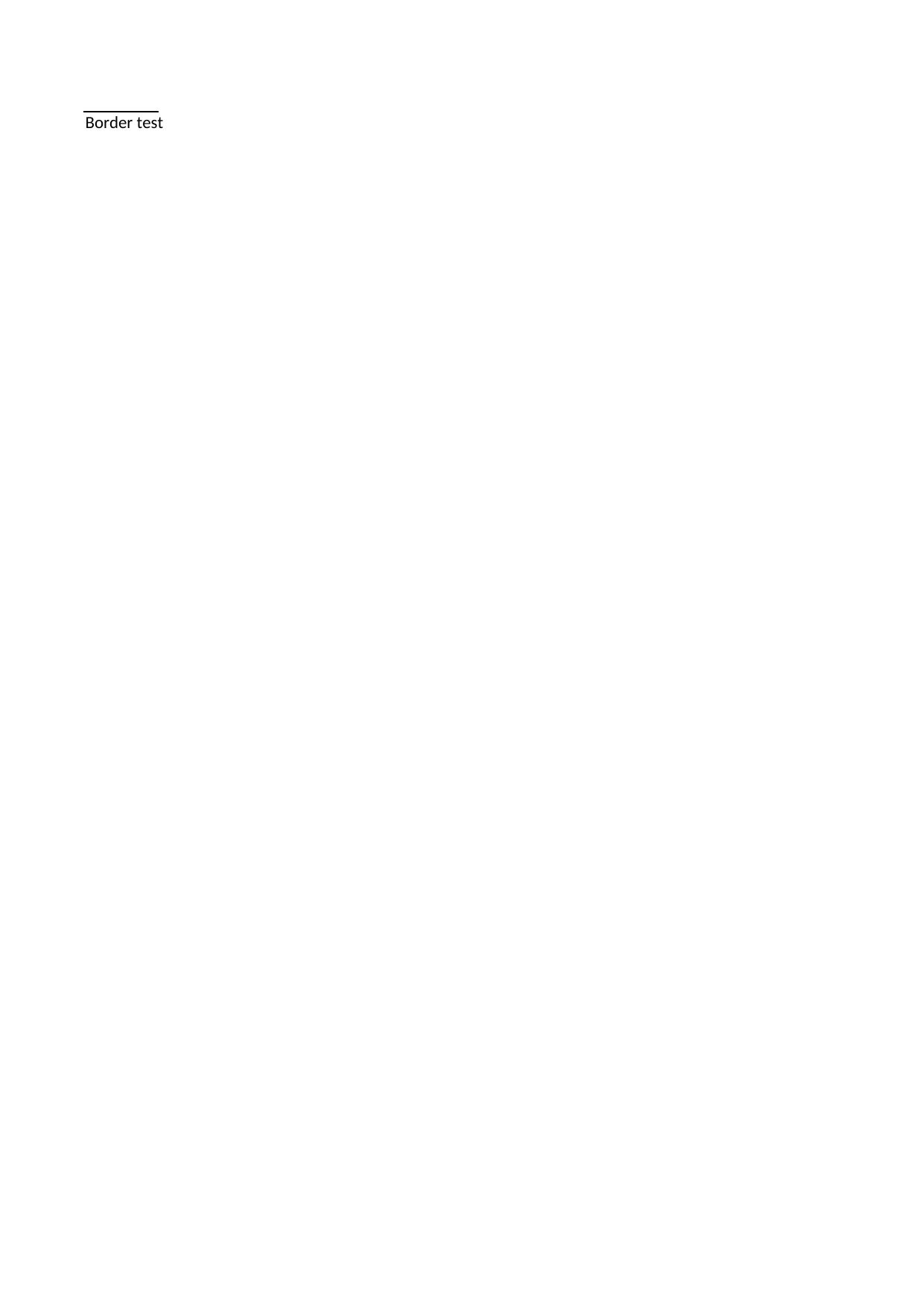
No render assertions declared.
Generator source
scripts/gen_cell_border_style.py
#!/usr/bin/env python3
"""Generate ``fixtures/xlsx/cell-border-style--<side>--<style>.xlsx``.

Parameterised generator for the ``xlsx/cell-border-style`` family: writes
a single-cell workbook whose ``<border>`` in ``xl/styles.xml`` declares a
single edge (top / left / bottom / right) with the requested
``ST_BorderStyle`` line style. Expanded at runtime by the manifest's
``generator.arg_template`` into 12 styles x 4 sides = 48 cases.

ECMA-376 Part 1 clause 18.8.3 enumerates ``ST_BorderStyle``. The
``none`` value is omitted from the style axis because ``xlsx.styles.Side``
coerces ``'none'`` to Python ``None``, which emits a bare ``<top/>``
without a ``@style`` attribute.
"""

from __future__ import annotations

import argparse
import datetime as _dt
from pathlib import Path

from xlsx import Workbook
from xlsx.styles import Border, Side

_REPO_ROOT = Path(__file__).resolve().parent.parent
_REPRODUCIBLE_DT = _dt.datetime(2000, 1, 1, 0, 0, 0)

_VALID_SIDES = {"top", "left", "bottom", "right"}


def _write(style_val: str, side: str, out: Path) -> None:
    if side not in _VALID_SIDES:
        raise ValueError(
            f"Unknown side {side!r}; expected one of {sorted(_VALID_SIDES)}"
        )

    wb = Workbook()
    ws = wb.active
    ws["A1"] = "Border test"

    side_obj = Side(border_style=style_val, color="000000")
    border_kwargs = {side: side_obj}
    ws["A1"].border = Border(**border_kwargs)

    out.parent.mkdir(parents=True, exist_ok=True)
    wb.save(out, zip_date_time=_REPRODUCIBLE_DT)


def main() -> int:
    parser = argparse.ArgumentParser()
    parser.add_argument(
        "--style", required=True, help="ST_BorderStyle val, e.g. 'thin'"
    )
    parser.add_argument(
        "--side",
        required=True,
        help="Edge element local name: top | left | bottom | right",
    )
    parser.add_argument("--out", required=True, help="Output .xlsx path")
    args = parser.parse_args()

    out_path = Path(args.out)
    if not out_path.is_absolute():
        out_path = _REPO_ROOT / out_path
    _write(args.style, args.side, out_path)
    print(out_path)
    return 0


if __name__ == "__main__":
    raise SystemExit(main())
Manifest (expanded)
{
  "$schema": "../manifest.schema.json",
  "id": "xlsx/cell-border-style--top--thin",
  "kind": "literal",
  "title": "Cell border style (12 ST_BorderStyle values x 4 sides)",
  "format": "xlsx",
  "category": "cell-formatting",
  "summary": "Each ST_BorderStyle line style applied to a single edge of a cell border (top / left / bottom / right). Expands to 12 styles x 4 sides = 48 cases.",
  "spec": {
    "source": "ecma-376-5-part-1",
    "clause": "18.8.3",
    "element": "border",
    "rnc_reference": "spec/ecma-376-5/part-1/rnc/SpreadsheetML.rnc",
    "xsd_reference": "spec/ecma-376-5/part-1/xsd/sml.xsd",
    "notes": "<border> inside <borders> in xl/styles.xml carries per-edge border child elements (left, right, top, bottom, diagonal). Each child's @style attribute is an ST_BorderStyle line style. ECMA-376 Part 1 clause 18.18.3 enumerates ST_BorderStyle. This family covers 12 of those values on the four outer edges. 'none' is omitted because python-xlsx coerces border_style='none' to Python None and emits a bare edge element with no @style attribute, so the equal-match assertion fails spuriously. Axis ordering is alphabetised by ooxml_validate.expand_manifest, so fixture names are `<id>--<side.id>--<style.id>`."
  },
  "fixtures": {
    "machine": "xlsx/cell-border-style--top--thin"
  },
  "generator": {
    "python": "scripts/gen_cell_border_style.py",
    "arg_template": "--style {style.val} --side {side.attr} --out fixtures/xlsx/cell-border-style--{side.id}--{style.id}.xlsx"
  },
  "_expansion": {
    "parent_id": "xlsx/cell-border-style",
    "bindings": {
      "side": "top",
      "style": "thin"
    }
  },
  "assertions": [
    {
      "id": "top-border-is-thin",
      "part": "xl/styles.xml",
      "namespaces": {
        "x": "http://schemas.openxmlformats.org/spreadsheetml/2006/main"
      },
      "xpath": "//x:borders/x:border/x:top/@style",
      "must": "equal",
      "value": "thin",
      "description": "The cell's border top edge must declare line style 'thin'."
    }
  ]
}
Fixture
Download cell-border-style--top--thin.xlsx (4.8 KB)Reference preview
Reference (machine, page 1 PNG)
Reference PDF
Download PDF Open in PDF.js
Spec notes
<border> inside <borders> in xl/styles.xml carries per-edge border child elements (left, right, top, bottom, diagonal). Each child's @style attribute is an ST_BorderStyle line style. ECMA-376 Part 1 clause 18.18.3 enumerates ST_BorderStyle. This family covers 12 of those values on the four outer edges. 'none' is omitted because python-xlsx coerces border_style='none' to Python None and emits a bare edge element with no @style attribute, so the equal-match assertion fails spuriously. Axis ordering is alphabetised by ooxml_validate.expand_manifest, so fixture names are `<id>--<side.id>--<style.id>`.